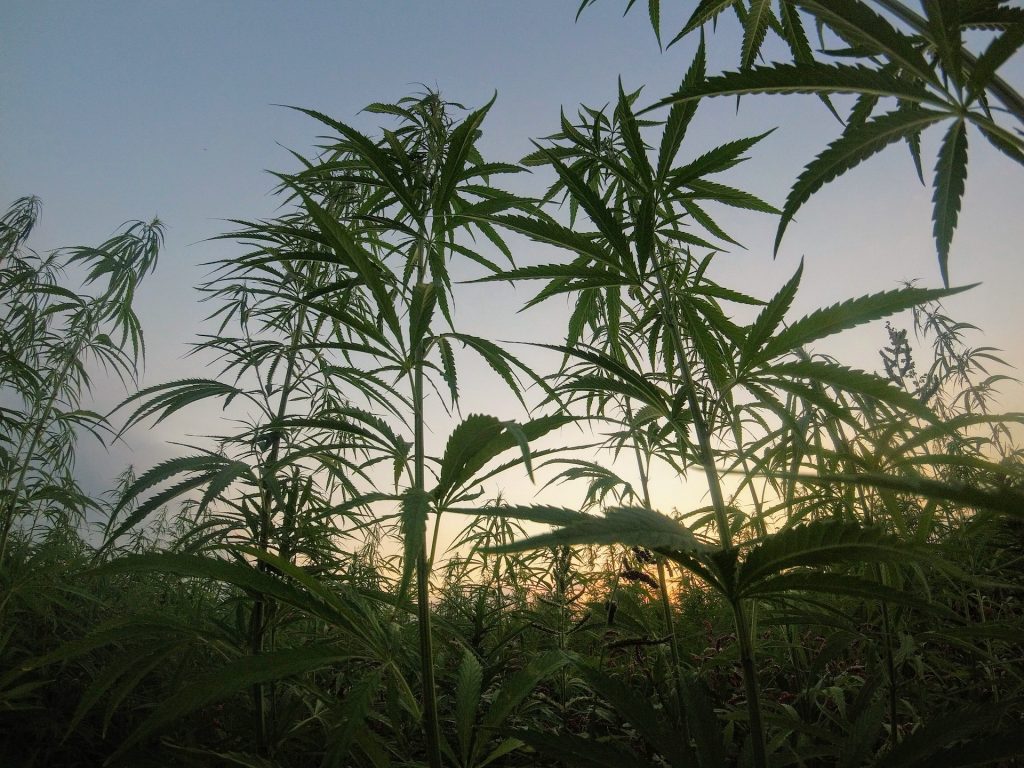
Much like juicing raw marijuana leaves for their dietary benefit, consuming shelled hemp and raw marijuana seeds is also coming to be more popular. “Hemp hearts” tend to have a light, nutty flavor and are exceptionally nourishing, supplying the advantages of hemp oil in an enjoyable snack layout. There are several benefits to snacking on these shelled seeds that you most likely don’t learn about. Continue reading to learn more about what’s inside these tasty tidbits and why you ought to be biting them on the everyday.
- Raw marijuana seeds promote wellness
You likely do not consume a great deal of raw marijuana in your typical routine. Though edibles consisting of triggered THC are excellent for medicinal usage, they are tough to consume regularly; you might at some point find yourself in a perma-haze or having digestive system problems. That’s why raw cannabis is such an outstanding supplement.
In the meantime, most hemp seed items are expanded and manufactured in Canada, then exported to nations that aren’t as friendly to hemp farming. Nevertheless, this could change as industrial and farming hemp plants end up being extra stabilized in the United States.
Given that even the best cannabis seeds do not have a substantial degree of cannabinoids, there’s no chance of capturing a buzz from these children. Nonetheless, if you begin spraying hemp hearts in addition to your yogurt, oatmeal, smoothie mixes, or salads, you won’t be sorry.
- Excellent resource of protein
Talk your body builder pals: the hearts of the seeds from marijuana and hemp plants are rich in plant-based protein.
If you follow a vegetarian or vegan diet, you ‘d be insane not to include these tiny dietary powerhouses right into your strategy. Yet, even if you’re a predator, hemp hearts can provide a quick and hassle-free, low-carb, low-fat choice to meat. It’s always great to switch it up, despite your food selection.
Ask your preferred athletes and health and fitness experts concerning hemp seeds. You may be stunned at simply the amount of individuals like them. Throughout her battling prime, Ronda Rousey declared that she starts each morning with a dose of hemp hearts prior to her workouts.
Popular health and fitness brand names such as Onnit are offering hemp protein powders, made from powdered seeds, which are costly however rapidly coming to be extra preferred as recognition expands within the physical fitness community.
While hemp hearts aren’t always one of the most mother lode of protein, they are super-healthy and simple to absorb. If you’re plant-based, or just expanding your day-to-day protein sources, shelled cannabis seeds need to be your favorite new snack.
- Omegas promote healthy body organs
The seeds of the cannabis plant additionally occur to be the plant kingdom’s most common source of crucial omega fatty acids.
Individuals used to think that eating fish was the only method for people to consumption sufficient omegas to survive. These “omegas” are amino acids that are necessary for protein manufacturing, and life itself, yet our bodies are unable of making them internal. Now, we know that supplementing with hemp is a sensible option.
Omega-3 fatty acids aid to advertise a healthy heart and brain, among other important features. They exist throughout the hemp or cannabis plant. Nevertheless, the hearts and oils from the seed are the very best resource you can locate.
If you do choose a hemp seed oil over the physical hearts, look for a cold-pressed oil for the highest feasible top quality.
The presence of omegas in marijuana seeds rates news for those on restricted diet regimens who can’t consume fish, for wellness or various other factors. Now they also can guarantee that they’re getting sufficient of this vital fuel. In either case, omegas from hemp hearts certainly do a body excellent.
- Help with weight administration
Did you understand you can shed, obtain, or preserve your weight conveniently, merely by eating a ton of cannabis seeds?
Since shelled hemp seeds are incredibly tasty and dental filling, they are great for individuals seeking to consume much less throughout the day. Or, on the other hand, they can be an exceptional supplement for those seeking to bulk up or just maintain their lean muscle.
Their pleasant nutty flavor is entirely non-intrusive when it concerns preserving the taste of your preferred foods. Plus, they can make points that aren’t as delicious, that far more pleasurable. Several dieters regret salads and low-fat “treats” like simple yogurt, hummus or quinoa.
Mixing hemp hearts into also the blandest foods can supply a little kick of taste and a lot of extra nourishment.
Despite your objectives in the health club or on the scale, hemp seeds are a yummy way to kick-start your days and fuel your body and mind to real achievement.
- Health advantages of raw cannabis seeds
This pretty much do without claiming, however a diet rich in vitamins, plant-based proteins, and healthy fats will certainly go far in assisting you live an ideal and healthy life. The heart of the marijuana seed has all of these, in a perfect little plan!
Raw marijuana and hemp items can supply some significant physical advantages, yet only if you are willing to make them an everyday part of your diet regimen. This should not be difficult, as they generally come ready-to-eat in significant bags where you can scoop as wanted.
Several benefits come with a well-lubricated hemp-loving body. For one, you’ll experience lowered swelling in the joints and muscles because of the healthy fat you’re consuming. You could really feel a lot more energy or endurance throughout the day, and have a much easier time managing your weight.
Cardiovascular feature and blood pressure are known to enhance a high-omega diet regimen, and there’s also a possibility that you could be protecting your mind against the onset of Alzheimer’s, dementia or other mental illness.
Take into consideration adding shelled hemp or marijuana seeds to your diet plan, instead of make drastic and hard adjustments to your regimen. You may find that you can regulate many facets of your well-being, merely through more wholesome nutrition.
We’re anticipating that the healthy fad of consuming raw marijuana seeds will expand during 2017. Have you ever before had any good luck incorporating hemp hearts into your diet plan? Remark listed below with your favored means to consume them.

